The Difference Between CBD Lotions, Balms, and Salves
The difference between a CBD lotion, balm, and a salve comes down to the ratio of water to oil in the base. Picking the wrong format for the wrong use case is one of the most common reasons users abandon CBD topical products before giving them a fair chance to work.
The Three Topical Formats
The three categories are distinguished primarily by water content and base structure.
Lotion
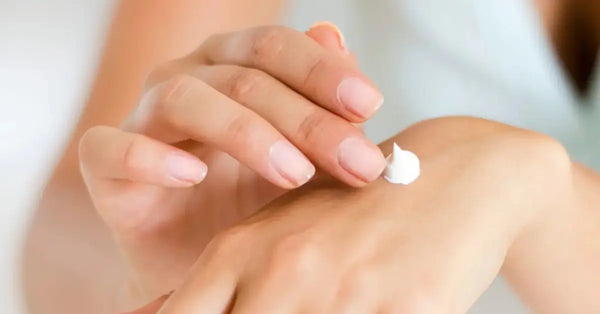
A CBD lotion is an emulsion of water and oil, typically with a higher water-to-oil ratio, stabilized with emulsifiers and preservatives. The high water percentage creates a fluid, easily spreadable texture that absorbs quickly without leaving a heavy residue. Lotions are the most familiar topical format for most consumers because they share the same texture as everyday body lotions and moisturizers found in any drugstore aisle.
Balm
The balm format contains little to no water, which gives it a thicker, more solid texture at room temperature. Balms melt slightly when exposed to body heat and form a protective layer on the skin that absorbs more slowly than a lotion does.

Salve
This is similar to a balm in that it is water-free, though salves typically use more oil and less butter, resulting in a softer, more spreadable consistency than a firm balm. Salves are designed for targeted application to specific areas and are typically used in smaller amounts than lotions. The format has been used in herbal medicine for centuries and predates modern lotion formulations by a wide margin.
How CBD Lotions Are Formulated
Water-based products require preservatives to prevent bacterial and fungal growth during the bottle's shelf life. Common preservatives include phenoxyethanol, potassium sorbate, and natural alternatives like rosemary extract. Quality formulations balance preservation effectiveness with skin tolerance, and reading the ingredients list helps users identify whether a lotion uses gentle or aggressive preservation chemistry.
A full-spectrum CBD lotion typically uses oils like jojoba, coconut, or sweet almond as the lipid carrier for the cannabinoids. These carrier oils support CBD's penetration into the upper layers of the skin, where the receptors and inflammatory cells live. A well-formulated lotion combines moisturizing properties with effective CBD delivery, which is why CBD lotion ingredients matter as much as the cannabinoid count on the label.
How CBD Balms Are Formulated
Balms are simpler in formulation than lotions because they skip the emulsification step entirely. A typical balm contains 20 to 30 percent waxes, 30 to 50 percent butters, and 20 to 40 percent oils, with CBD distillate or isolate dissolved into the oil component. Beeswax provides structure and a slight occlusive barrier, while shea or cocoa butter provides both moisturizing properties and skin-supporting compounds such as vitamin E and fatty acids.
Without water, balms are inhospitable to bacterial growth, so they require few or no preservatives. Most quality balms use only natural antioxidants, such as vitamin E or rosemary extract, to prevent oil oxidation. The simpler ingredient list often appeals to users who prefer minimalist formulations without synthetic preservatives.
The thicker texture of a CBD balm for muscles makes it ideal for targeted use on knees, shoulders, lower back, or other localized areas of discomfort. Balms stay where they are applied rather than spreading across nearby skin, which concentrates the CBD dose in the exact target zone. A well-cited transdermal CBD study showed measurable reductions in inflammation and pain-related behavior in arthritic joints when CBD was applied directly to the affected area. Balms can feel heavy or greasy on large surface areas, and they require a small warming step in the hand before application. Users who want a quickly absorbed daily moisturizer often find balms too thick for the routine, and the texture can transfer to clothing if applied too generously without allowing for brief absorption.
How CBD Salves Are Formulated
Salves sit between lotions and balms in texture but share the water-free profile of balms. A typical salve contains 70 to 85 percent carrier oils with 15 to 30 percent wax for structure. Olive oil, coconut oil, sweet almond oil, and jojoba oil are common carrier choices. The high oil content produces a softer, more spreadable consistency than a balm, although it is still firmer and oilier than a lotion.
Traditional salves often include herbal infusions such as arnica, calendula, or comfrey alongside CBD. These botanical additions can complement the cannabinoid's anti-inflammatory effects, especially in formulations marketed as CBD salves for pain or sore-muscle support. Reading the ingredient list reveals whether the salve relies on CBD alone or pairs it with traditional herbal companions.
Side-by-Side Comparison
Lotions absorb fastest because the water content carries CBD into the upper skin layers quickly. Salves absorb at a moderate pace, with the oil base supporting steady release of CBD over 20 to 60 minutes. Balms absorb most slowly, which is part of why they remain effective for longer in the targeted application zone. For users wanting to test all three formats fairly before committing to a long-term choice, the following three-step approach produces a clean personal comparison:
- Choose Identical Pain Points or Skin Areas for Each Format. Pick three similar locations, like both knees and the lower back, and assign one format to each. Apply the matched dose at the same time of day across one week per location.
- Match the Application Routine Across All Three Formats. Apply each format twice daily at the same times, such as morning and evening, for at least 7 consecutive days before assessing. Consistency across the trial is what makes the data meaningful, and inconsistent application is the most common reason people walk away from a topical comparison without a clear answer about which format actually suits them.
- Track Subjective Results With a Simple Daily Score. Each evening, rate pain or skin comfort on a one to ten scale for each location, and note the texture, absorption, and convenience experience for each format. After seven days of consistent application, the patterns in the data reveal which format matches your skin and pain points better than any general guide can predict in advance.

A daily lotion for whole-body skin support, plus a targeted balm or salve for specific pain points, covers more use cases than any single format. The cannabinoid is the same across all three, and the format choice simply determines the delivery experience for each specific moment.
When to Choose Each Format
Daily Whole-Body Use
If your goal is daily skin moisturization with the added benefit of CBD, a lotion is almost always the right choice. The lightweight texture, fast absorption, and broad spreadability suit a routine where the product is applied across arms, legs, and torso each morning or evening. Users seeking the best CBD lotion for a daily routine fit should prioritize moisturizing carrier oils and gentle preservatives in the formulation.
Targeted Joint or Muscle Support
For knees that ache after running, a shoulder that tightens during long workdays, or a lower back that flares after a hard workout, a balm is the better fit. The thicker texture stays where applied, and the slower absorption produces longer surface coverage.
Sensitive Skin or Traditional Preferences
Users with sensitive skin who react to lotion preservatives, or those who prefer traditional herbal preparations, often find salves the most comfortable choice. The simpler ingredient list reduces the risk of irritation, and the oil-rich base supports a soothing application to dry, cracked, or otherwise compromised skin. The general principles of how to use CBD topicals apply across all three formats. Apply a thin to moderate amount of product to clean, dry skin, massage gently for 30 to 60 seconds to encourage absorption, and avoid washing the area for at least an hour afterward. Some users see results within 15 minutes, while others need consistent twice-daily application over 7 to 14 days before noticeable improvement appears.
Ingredients to Look For and Avoid
Ingredient quality separates professional formulations from anonymous shelf products. Reading the label carefully takes only a minute and protects against irritants, low-quality fillers, and misleading marketing claims.
Why Carrier Quality Matters
The carrier oils in a topical do more than dilute the CBD. They influence how the cannabinoid penetrates the skin, how moisturizing the product feels, and how well it pairs with sensitive skin. High-quality carriers like jojoba, sweet almond, organic shea butter, and cold-pressed coconut oil signal a brand that has invested in formulation rather than cutting corners on the base.
Why CBD Source and Lab Testing Matter
Hemp grown under USDA Organic certification, processed in GMP-certified facilities, and verified through batch-specific Certificates of Analysis is meaningfully different from anonymous bulk hemp extract sold under generic labeling. The CBD source quality matters as much as the carrier quality, and reputable topical brands publish lab results that confirm both potency and absence of contaminants.
Specific Ingredients That Add Real Value
Some ingredients meaningfully improve a CBD topical's performance and skin compatibility. Below is a short list of ingredients worth seeking out and avoiding when choosing among lotions, balms, and salves:
- Organic Shea Butter or Cocoa Butter: Both butters provide rich moisturizing support, contribute fatty acids and natural vitamin E, and pair well with CBD in balms and salves. Look for organic-certified sources rather than refined varieties, since the unrefined options retain more of the natural skin-supporting compounds that make these butters effective beyond simple moisturization.
- Cold-Pressed Carrier Oils: These oils penetrate the skin smoothly without clogging pores and serve as effective carriers for cannabinoids. Cold-pressed extraction preserves more of the oil's natural nutrients, and the choice of carrier influences how the oil feels on the skin after absorption, especially for users with sensitive or acne-prone skin.
- Botanical Add-Ins: Arnica supports muscle recovery, menthol provides a cooling sensation that pairs well with CBD, and calendula calms irritated skin. These botanical companions can complement the cannabinoids' anti-inflammatory effects, especially in salve and balm formulations for sore muscles or stressed skin.
- Essential Oils: High-quality essential oils such as lavender, eucalyptus, peppermint, and rosemary offer pleasant aromas and modest therapeutic benefits. Beware of generic "fragrance" listings on the label, since synthetic fragrances are common skin irritants and rarely add anything beyond aroma to the formulation itself.
- Avoid Synthetic Fragrances, Parabens, and Mineral Oil: Synthetic fragrances trigger sensitivities in many users, parabens raise hormone-disruption concerns in some research literature, and mineral oil offers little benefit beyond a basic occlusive barrier. Quality CBD topicals deliver their effects through whole-plant compounds and high-grade carriers, without relying on lower-grade fillers.
The lotion, balm, and salve formats each have a clear best-use scenario, and the right format for any given user depends almost entirely on the goal at hand. A daily moisturizing routine calls for a lotion, a targeted joint or muscle protocol calls for a balm, and a sensitive-skin or traditional-preparation preference calls for a salve. Reading the ingredient list, confirming third-party lab results, and matching the format to a specific use case give users the cleanest path toward finding a topical that earns a permanent spot in their routine. The cannabinoid is the same across all three formats, and the experience with the cannabinoid is what determines whether a topical is actually used consistently long enough to produce real, repeatable results.

Sources
- Atalay, S., Jarocka-Karpowicz, I., & Skrzydlewska, E. (2020). Antioxidative and anti-inflammatory properties of cannabidiol. Antioxidants, 9(1), 21. Doidoi.org/10.3390/antiox9010021
- Baswan, S. M., Klosner, A. E., Glynn, K., Rajgopal, A., Malik, K., Yim, S., & Stern, N. (2020). Therapeutic potential of cannabidiol (CBD) for skin health and disorders. Clinical, Cosmetic and Investigational Dermatology, 13, 927-942. Doi| CCID | Dove Medical Press
- Hammell, D. C., Zhang, L. P., Ma, F., Abshire, S. M., McIlwrath, S. L., Stinchcomb, A. L., & Westlund, K. N. (2016). Transdermal cannabidiol reduces inflammation and pain-related behaviors in a rat model of arthritis. European Journal of Pain, 20(6), 936-948. Doidoi.org/10.1002/ejp.818
- Mlost, J., Bryk, M., & Starowicz, K. (2020). Cannabidiol for pain treatment: Focus on pharmacology and mechanism of action. International Journal of Molecular Sciences, 21(22), 8870. Doidoi.org/10.3390/ijms21228870
- Palmieri, B., Laurino, C., & Vadalà, M. (2019). A therapeutic effect of CBD-enriched ointment in inflammatory skin diseases and cutaneous scars. Clinical Therapeutics, 170(2), e93-e99. DoiEntra
- Tóth, K. F., Ádám, D., Bíró, T., & Oláh, A. (2019). Cannabinoid signaling in the skin: Therapeutic potential of the "C(ut)annabinoid" system. Molecules, 24(5), 918. Doidoi.org/10.3390/molecules24050918
- VanDolah, H. J., Bauer, B. A., & Mauck, K. F. (2019). Clinicians' guide to cannabidiol and hemp oils. Mayo Clinic Proceedings, 94(9), 1840-1851. Doidoi.org/10.1016/j.mayocp.2019.01.003